
Media Corner
JMERC Joins Regional Dialogue on Education in Emergencies
Building Resilient Education Systems: JMERC Contributes to Regional Dialogue on Education in Emergencies
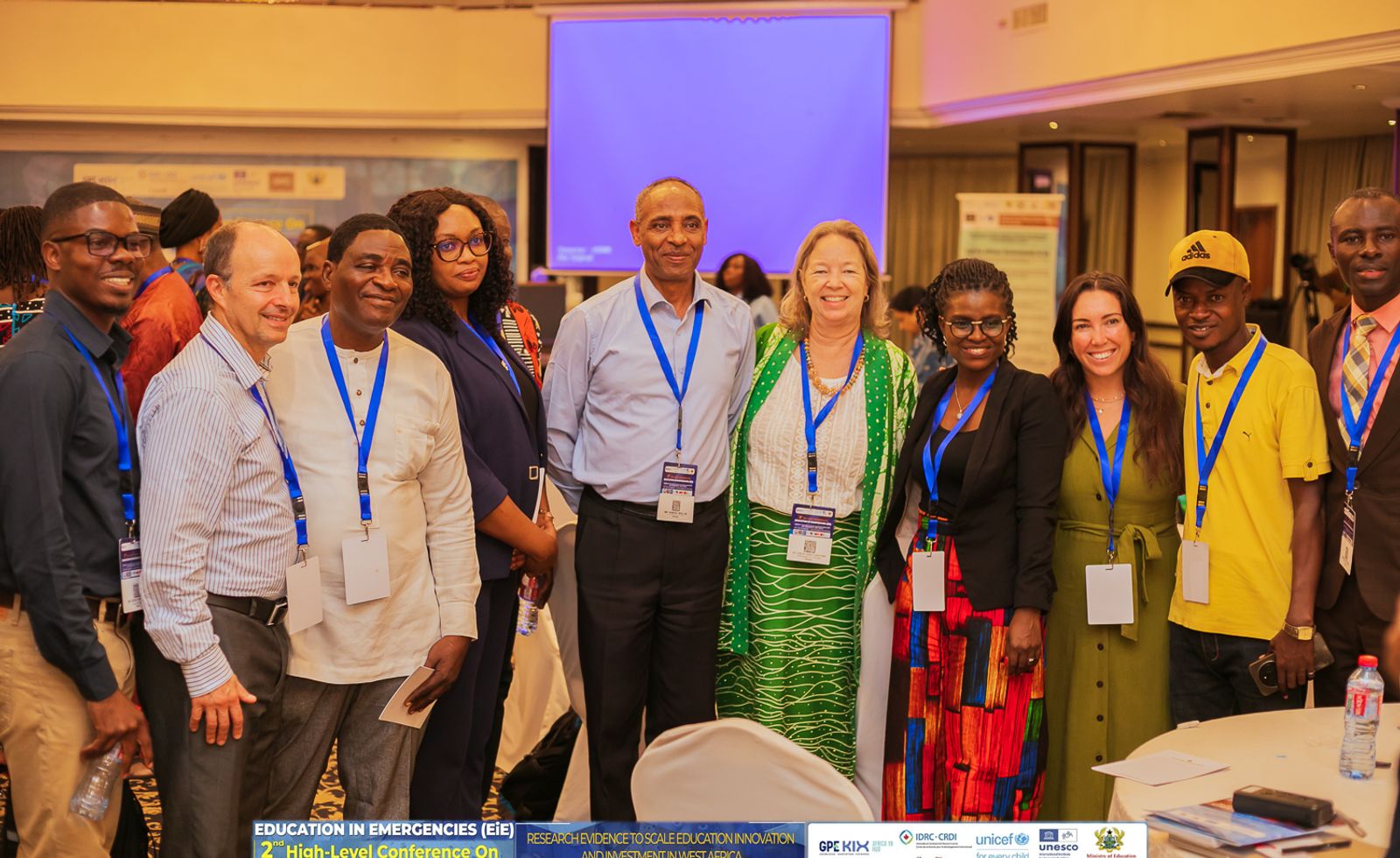
Accra, Ghana | 29–30 September 2026 :JM Education and Research Centre (JMERC) joined policymakers, researchers, education practitioners, development partners and financing institutions at the 2nd High-Level Conference on Education in Emergencies, held in Accra, Ghana. The conference focused on strengthening the use of research evidence to inform education policy, investment and the scaling of innovations that improve access, learning, continuity, safety and wellbeing for children and young people affected by crises.
Organised by Associates for Change (AFC) and supported by the Global Partnership for Education Knowledge and Innovation Exchange (GPE-KIX) through Canada’s International Development Research Centre (IDRC), alongside other institutional and academic partners, the conference provided a platform for cross-country learning and collaboration. Its communiqué called on governments and regional institutions to strengthen education planning, increase investment in education in emergencies and integrate proven approaches into national systems to ensure continuity of learning during crises.
Integrating adolescent wellbeing into resilient schools
Shaylor Mwanje our Head of Communications, Advocacy and Partnerships, presented a paper on “Building Resilient Schools: Integrating Social and Emotional Learning, Teacher Well-being and Protective Environments for Adolescent Well-being in Uganda.” The presentation, under the thematic area of Social Protection, Teacher Well-being and Safe Learning Environments, drew on JMERC’s Resilience and Social Emotional Learning (RSEL) programme, which works with very young adolescents aged 10–14 years.
She shared how social and emotional learning, adolescent resilience, teacher support, gender-responsive approaches and protective environments can work together to strengthen learner wellbeing. It emphasised that supporting adolescents requires more than learner-focused interventions. Teachers need the knowledge, skills and psychosocial support to create emotionally safe classrooms, while school leadership, caregivers and referral systems play important roles in sustaining protective environments.
These priorities connect with the conference communiqué’s call to invest in teachers serving vulnerable and crisis-affected communities, including through psychosocial support, professional development and social and emotional learning. They also reinforce the importance of linking education with health, child protection and community support systems to ensure that learners receive appropriate assistance.
From evidence to policy, investment and implementation
A central message from the conference was that promising education innovations must move beyond pilot projects to achieve sustained impact. The communiqué called on governments to integrate education in emergencies into national planning and budgets, strengthen education data and research systems, invest in approaches that reach out-of-school children, and ensure stronger government ownership of implementation and financing.
For JMERC, these priorities resonate across its programme portfolio. Through RSEL and other SEL programmes, we are contributing to approaches that strengthen adolescent wellbeing, resilience and supportive learning environments. Through its work on foundational learning, including play-based approaches that connect literacy development with social and emotional learning, JMERC is contributing to efforts to create more inclusive and responsive learning experiences. Both areas underscore the value of evidence-informed programming, teacher engagement and collaboration with communities and education stakeholders.
Partnerships and collective advocacy for lasting change
The conference also reinforced the importance of partnerships in addressing the complex challenges facing education systems. Collaboration among governments, researchers, civil society organisations, development partners and communities is essential to ensure that evidence informs decisions, resources reach underserved learners and effective approaches can be sustained and adapted to different contexts.
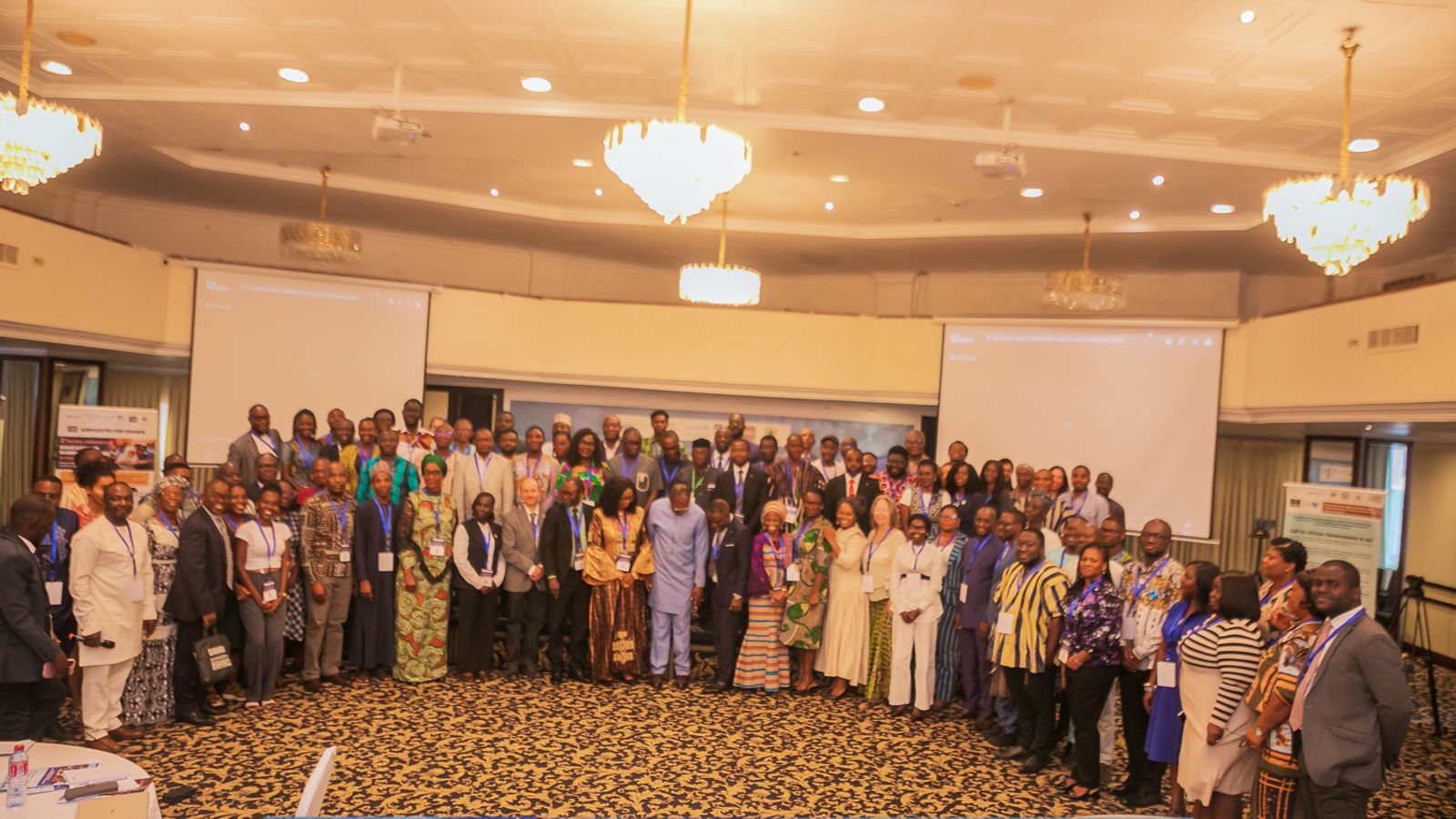
JMERC values opportunities to exchange learning with institutions working to advance education in emergencies, including the African Population and Health Research Center (APHRC), the Geneva Global Hub for Education in Emergencies and the Inter-agency Network for Education in Emergencies (INEE), among other stakeholders. The Centre extends its appreciation to Associates for Change and the conference partners for convening this important regional dialogue.
As JMERC continues its work across adolescent wellbeing, social and emotional learning and foundational learning, the Centre remains committed to contributing evidence, strengthening partnerships and supporting advocacy that connects programme experience with policy and practice. Resilient education systems require more than emergency responses; they require sustained investment in learners, teachers, communities and the systems that enable every child and young person to learn, achieve and thrive.