
Media Corner
JMERC Engages Stakeholders in Luuka and Bugiri to Co-Create Adolescent Wellbeing Interventions
District consultations bring together education, health, local government and community stakeholders to shape the Resilience and Social-Emotional Learning Programme.
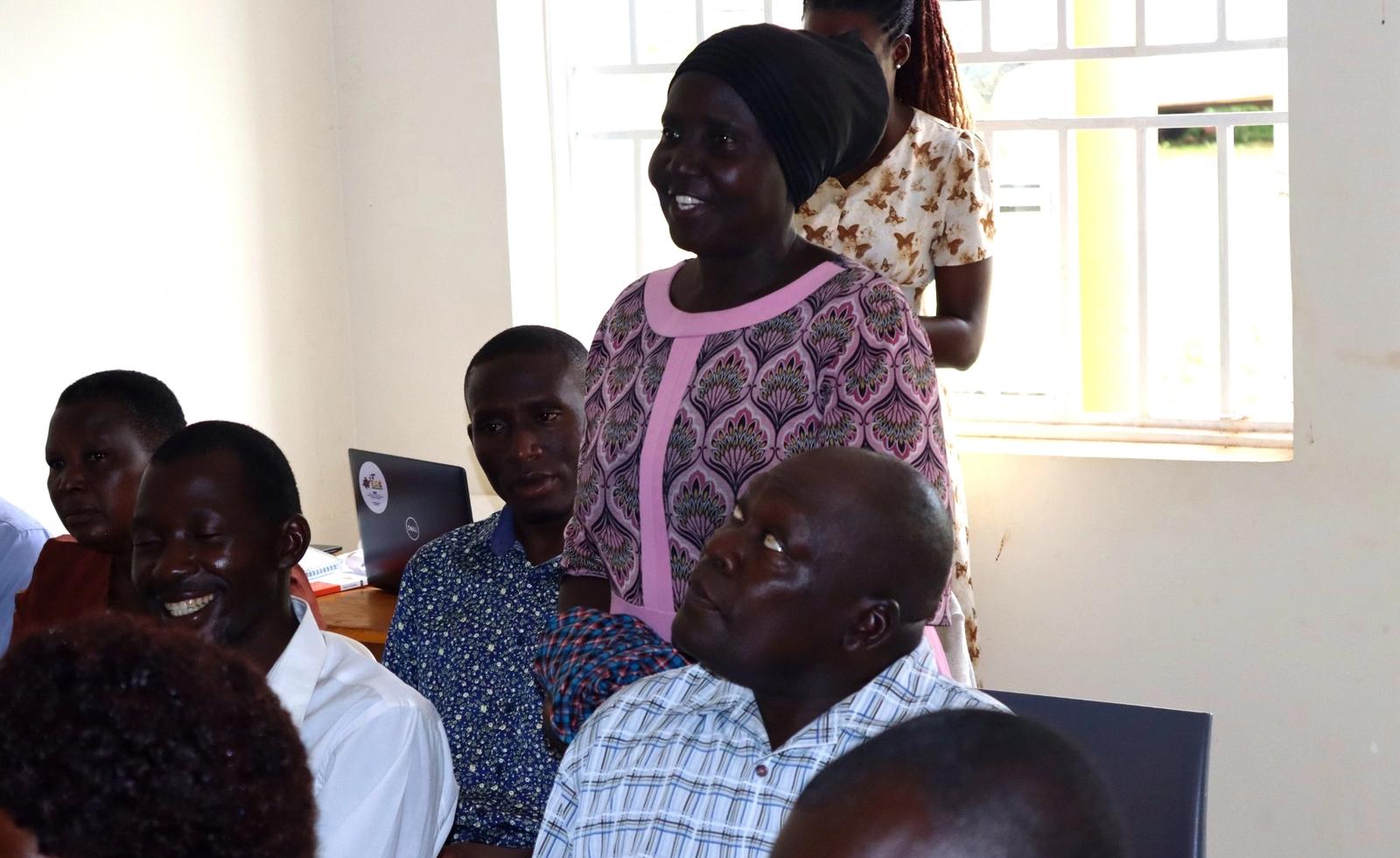
Understanding the realities adolescents face is essential to designing interventions that meaningfully support their mental health, wellbeing and development. With this in mind, we conducted stakeholder engagement and co-creation workshops in Luuka and Bugiri Districts on 17 and 19 November 2026, respectively, as part of the development and implementation of its Resilience and Social-Emotional Learning (RSEL) Programme.
The engagements brought together district local government officials, education and health personnel, school leaders, teachers, parents, school management representatives and other community stakeholders. The consultations provided a platform to introduce the RSEL Programme, share perspectives on the challenges affecting adolescents and gather recommendations to inform the development of programme content and learning materials.
Understanding the realities facing adolescents
Across both districts, stakeholders highlighted interconnected challenges affecting adolescent wellbeing, including mental health concerns, household poverty, family instability, inadequate parental support, child protection risks, school dropout and sexual and reproductive health concerns.
In Luuka, discussions particularly highlighted the effects of economic hardship, child labour, food insecurity, domestic violence, child marriage and substance abuse. Participants also raised concerns about inadequate parental involvement and the growing responsibility placed on schools and teachers to provide support that extends beyond their formal educational roles.
In Bugiri, stakeholders identified the need to strengthen adolescent mental health and wellbeing, improve access to sexual and reproductive health information and services, and address the influence of teachers, parents and caregivers on adolescent development. The district's teenage pregnancy situation and the need to support teenage mothers to return to school were also emphasised.
These discussions reinforced the importance of understanding adolescent wellbeing within the wider family, school and community environments in which young people grow and develop.
Moving beyond schools: A shared responsibility for adolescent wellbeing
A key message emerging from the consultations was that adolescent wellbeing cannot be addressed by schools alone. Participants called for stronger collaboration between parents, teachers, health professionals, community development structures, local government and religious and cultural leaders.
In Luuka, stakeholders recommended strengthening positive parenting, mentorship and career guidance to help adolescents develop a stronger sense of purpose and explore diverse opportunities for their futures.
In Bugiri, recommendations included strengthening teachers' capacity to support learners, improving relationships between schools and parents, engaging community structures and using local communication channels to extend adolescent wellbeing messages beyond the classroom.
Stakeholders also highlighted the importance of accessible, age-appropriate and engaging learning materials incorporating illustrations, stories, poems, practical activities and relevant local languages.
Co-creating solutions that respond to local needs
The consultations formed part of JMERC's broader commitment to developing adolescent-centred programme interventions informed by the experiences and perspectives of the communities they are intended to serve.
Through facilitated discussions, stakeholders examined the priorities the RSEL Programme should address, the most appropriate approaches for delivering interventions in schools and communities, and opportunities to strengthen district ownership and coordination.
The recommendations will inform the refinement of programme training content, learning materials and community engagement approaches. JMERC will also continue working with district stakeholders to identify existing structures and partnerships that can support programme implementation and sustainability.
Building sustainable partnerships for adolescent wellbeing
The Luuka and Bugiri engagements reaffirmed the importance of multi-sectoral collaboration in addressing the interconnected challenges affecting adolescents.
By bringing together voices from education, health, local government, schools and communities, JMERC is laying the groundwork for interventions that are not only evidence-informed but also grounded in local realities and responsive to the needs of adolescents.
At JMERC, we believe that lasting change happens when the people closest to the challenges are actively involved in shaping the solutions. Through the RSEL Programme, we remain committed to working with communities,institutional partners and our funding partners at the Fund for Innovation in Development (FID) and the Gates Foundation to create supportive environments in which adolescents can build resilience, develop social and emotional skills, and thrive.