

 Donate Now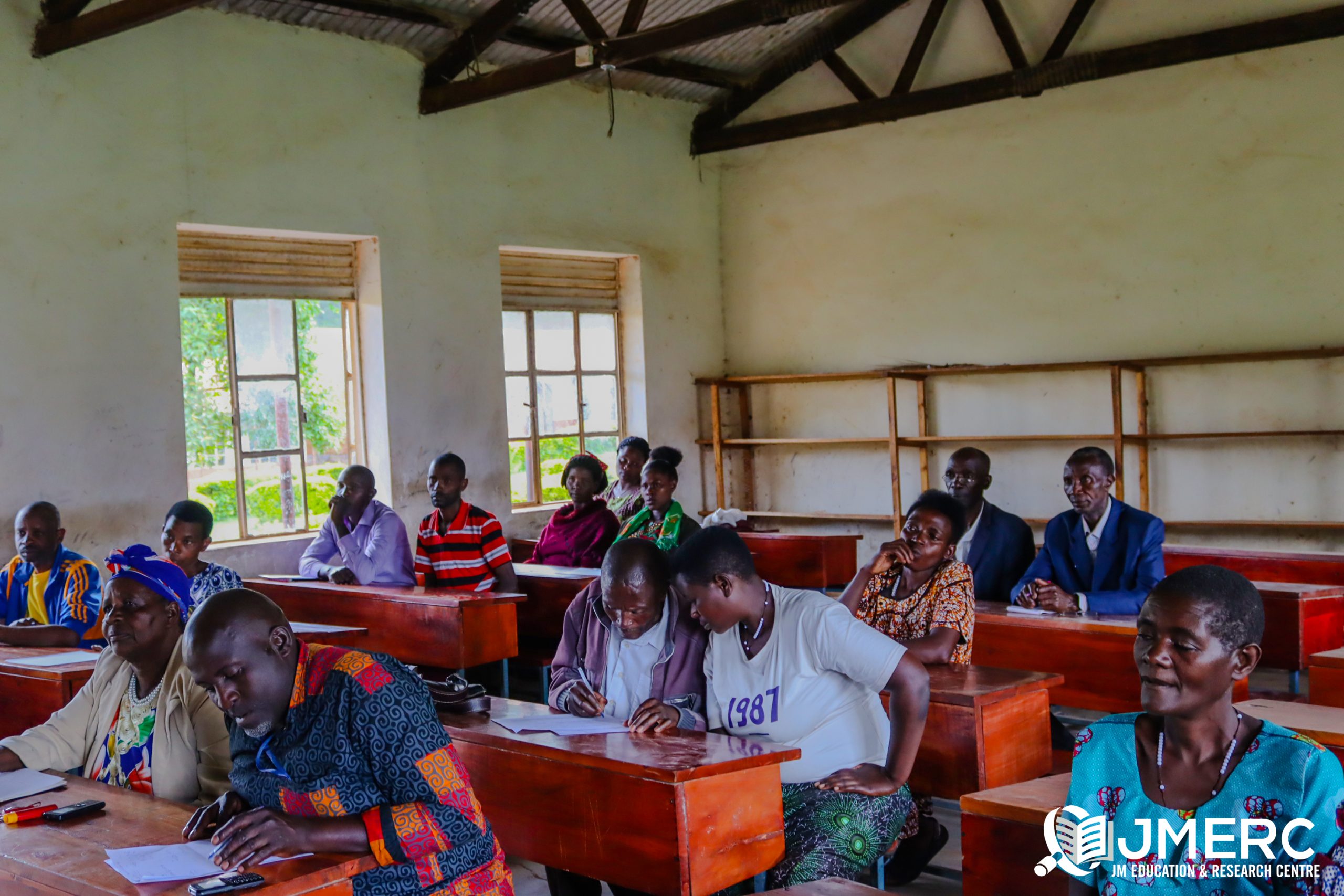
Parents can help children develop social-emotional skills. They want to help them in building relationships. They want their kids to gain confidence. And they also want them to handle their emotions better.
Social-emotional learning (SEL) is about teaching kids how to handle feelings. It also teaches children how to work well with others. With the help of SEL, they will learn the best possible way to solve problems. Empowered parents can guide their children to succeed in life by being more involved and supportive.
Want to know how parental engagement and empowerment and SEL work together? Read this blog post.
What Is Social-Emotional Learning?
It teaches children the following skills:
Understand emotions:
Know how to identify and express feelings like happiness, sadness, or anger.
Build relationships:
- SEL helps kids learn how to make friends.
- It also teaches them to cooperate with others.
- They acquire the knowledge to interact and communicate with others.
Solve problems:
- They will learn the way to handle challenges wisely.
- In schools, SEL is part of the curriculum. But parents play an equally important role at home. When parents are involved, children feel more secure and supported. This helps them learn faster.
What Is Parental Empowerment?
Parents can gain the knowledge to guide their children’s development. This is Parental empowerment. It gives parents the confidence to help their children.
Given below are the advantages of this approach:
Parents understand their role:
They know they are key to their child’s emotional growth. They also understand what are the things that will help in the social growth of their child.
Get involved:
They participate in school activities and also help their children with their homework. They talk to teachers. This involvement by parents can help children learn SEL better.
Learn new skills:
They attend workshops. Also, they read about parenting strategies.
Parents in Uganda are taking steps to become more involved in the education and personal growth of their children. They understand that parental engagement and empowerment can help them in this.
How Does Parental Empowerment Support SEL?
-
Encouraging Positive Behavior of The Child
When parents are empowered, they can guide their children toward positive behavior. For example, they can teach their kids how to share things. They will also tell children when and why to apologize. They also teach their kids how to take turns.
These small lessons help children develop empathy. They learn how to respect others.
-
Building Strong Parent-Child Bonds
Empowered parents spend quality time with their children. This strengthens their relationship. When children feel loved and supported, they are more likely to share their feelings. Kids start trusting their parents. This improves the bond between the parents and the children.
-
Creating a Safe Environment
Children need a safe environment to learn. Always remember, they grow better in a secure atmosphere. Empowered parents can create a positive home atmosphere. Here children feel free to express themselves without fear of judgment.
-
Promoting Skills of Problem-Solving
Parents can boost the confidence of their children by teaching them “how to solve problems”. For example, suppose a child disagrees with a friend. In this situation, a parent can guide them on how to handle the situation calmly.
Tips for Parents
-
Spend Quality Time Together
- Take time to talk to your children.
- You also need to play with them.
- It is also important that you listen to your child.
- Simple activities like storytelling can strengthen your bond.
-
Teach by Example
Children learn by watching their parents.
- Show them how to handle emotions.
- Set an example before them by being kind to others.
- You have to teach them how to solve problems peacefully by doing it yourself.
-
Encourage Open Communication
Create an environment where your child feels safe to share their thoughts. Or where they can express their feelings without any fear. Always listen to them without judging.
-
Support Their Education
- Help your child with schoolwork.
- Always attend parent-teacher meetings.
This shows your child that you value their learning.
-
Teach Respect
Encourage your child to respect others. Also, teach them to take responsibility for their actions. For example, praise them when they do chores. Appreciate them if they help a sibling.
-
Learn Together
Attend parenting workshops. Read about child development. The more you learn, the better you can guide your children.
Challenges Faced By Parents in Uganda
Many parents face problems like
- Poverty or financial issue
- limited access to education
- lack of time due to work
These issues can make it harder to focus on a child’s social-emotional learning.
However, small steps can be very helpful. For example, you need to spend time with your child. You must encourage them to talk about their day. All this can make a big difference.
Why SEL Matters for Uganda’s Future?
Social-emotional learning not only helps children. But it also benefits the entire community. Children who grow up with strong SEL skills are more likely to:
- Succeed in school: They are better at focusing. They are good at solving problems.
- Build strong relationships: They work well with others. They resolve conflicts peacefully.
- Contribute to society: They become responsible and caring adults.
For Uganda, investing in children’s SEL can create a brighter future where people work together and support each other.
Conclusion
Parental empowerment and social-emotional learning go hand in hand. In Uganda, parents have the power to shape their children’s emotional skills. They can also work on the social skills of their kids. This will help in setting them up for a successful future.
Here, it is also a must for parents to spend quality time with their kids. They need to teach by example and encourage open communication. In brief, parents must support their children’s growth.
Despite challenges, small actions can make a big difference. Empowered parents raise confident, and caring children. These kids can contribute positively to the communities. Start today by taking one step to support your child’s social-emotional learning journey. For assistance connect with us at JMERC.
2 Responses to “The Connection Between Parental Empowerment and Social-Emotional Learning”